

Powder Coating Basics
Powder coating, a concept first proposed in the 1940s, has steadily grown in popularity and usage, primarily in industrial manufacturing processes.
Despite its continued popularity and widespread adoption, including by the general public, who encounter powder coating products daily, many still lack understanding of powder coating technology. So, what is powder coating? What are its types? Today, we'll provide a detailed understanding:
1. What is powder coating?
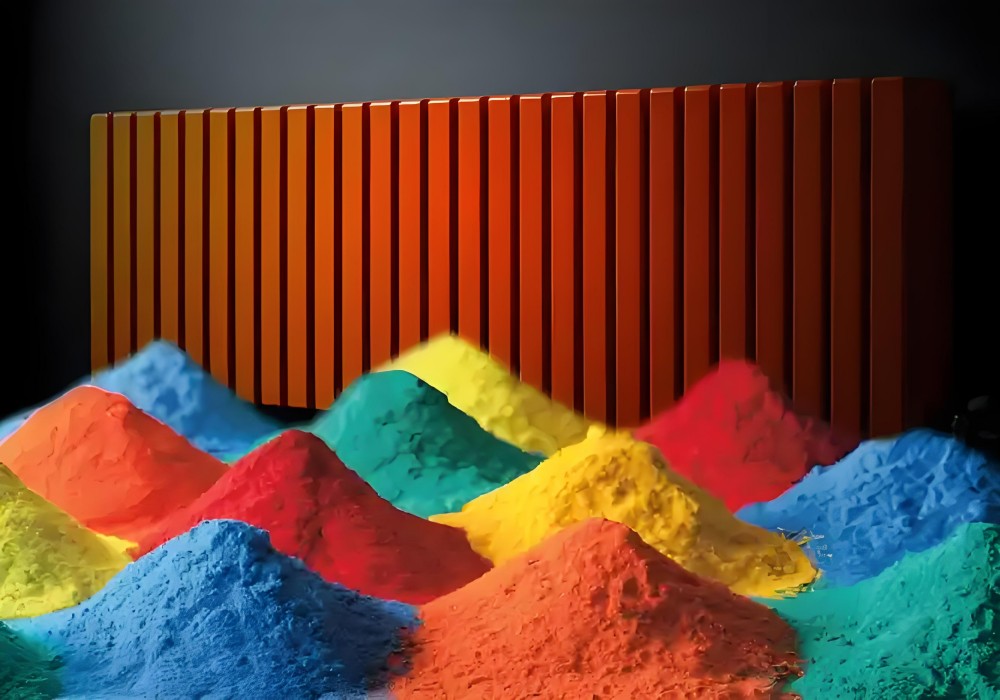
From a technical perspective, powder coating is a dry coating or finishing process in which a dry powder coating is applied to a surface, melted, and then hardened to form a protective coating. Simply put, it's a method of coating an object with a colored, non-wetting powder coating.
Think of powder coating as having a consistency similar to baby powder, but available in a variety of colors besides white. When heated on the product being coated, the powder coating melts into a fluid, then hardens, forming an even coating on the surface, effectively protecting whatever is underneath.
Powder coating technology can be used on a variety of surfaces, including metal, plastic, glass, and engineered fiberboard, but is most commonly used to coat metal products.
2. What are the types of powder coating?
Powder coatings, or powder paints, can be categorized as either thermoplastic or thermoset, each with distinct properties, advantages, and disadvantages.
Thermoplastic powder coatings: The process depends on how the powder particles react to heat. When heated, thermoplastics soften and begin to flow like a fluid. Upon cooling, the thermoplastic returns to its original state, regaining its solid properties but retaining the same shape as it started.
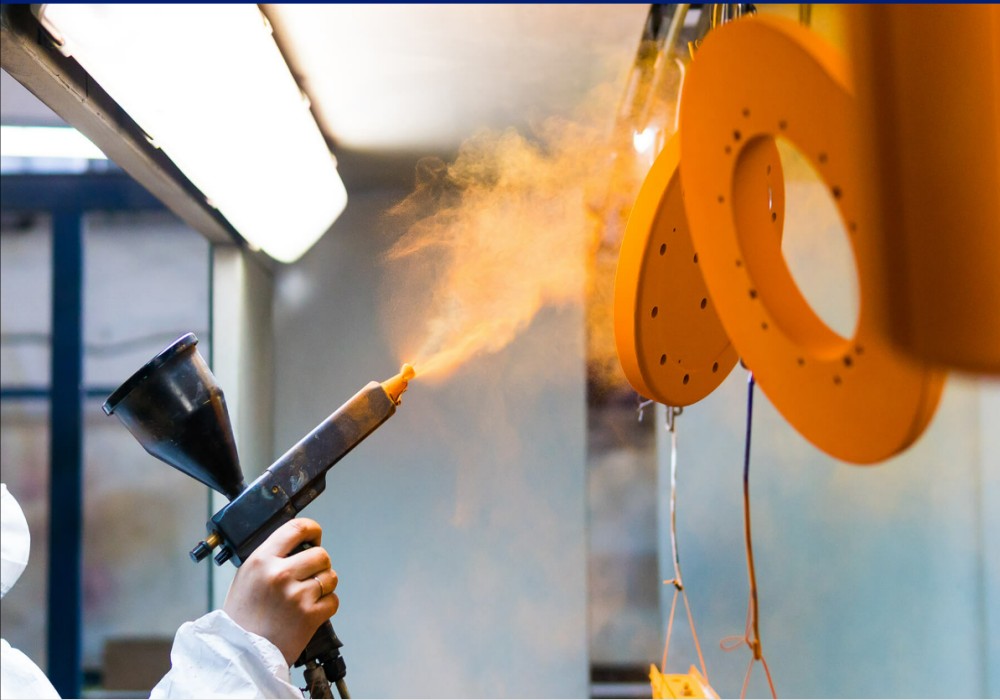
To make it easier to understand, imagine a thermoplastic powder, like cheese or chocolate, that starts out solid but melts when heated and eventually returns to its solid form upon cooling, often taking the shape of a container or a shell covering something underneath.
Thermoplastic powder coatings do not undergo chemical changes when changing from solid to liquid and back again, making the thermoplastic powder coating process reversible; simply remelt and remove the coating.
Thermosetting Powder Coatings: Thermosetting powder coatings also require heating, but crucially, their chemical structure changes upon heating. Thermosetting powders react this way because they contain a crosslinker in their formulation, which forms chemical bonds during curing, resulting in an irreversible surface coating.
Thermosetting coatings' tight three-dimensional network structure, with no significant inter-molecular gaps, effectively blocks corrosive media such as acids, bases, and solvents from penetrating the surface formed by the substrate.
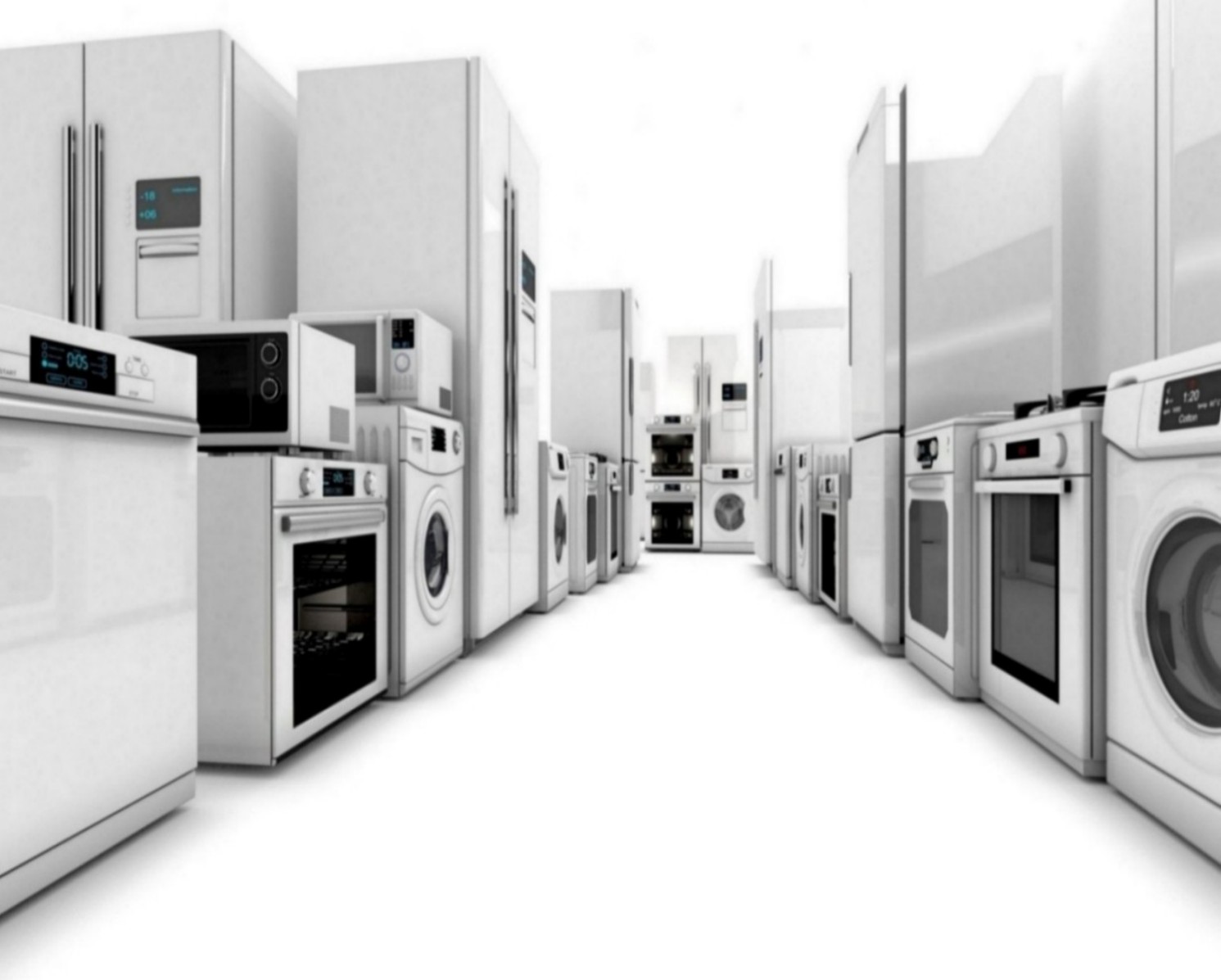
Because of the irreversible curing process, thermosetting powder coatings cannot be remelted, making them generally more suitable for high-temperature applications and environments. Furthermore, compared to thermoplastic powder coatings, thermosetting powder coatings can be applied in much thinner coating thicknesses.
Compared to traditional liquid coatings, powder coatings offer improved resistance to impact, moisture, and chemicals, and are more resistant to abrasion, scratches, and general wear.